

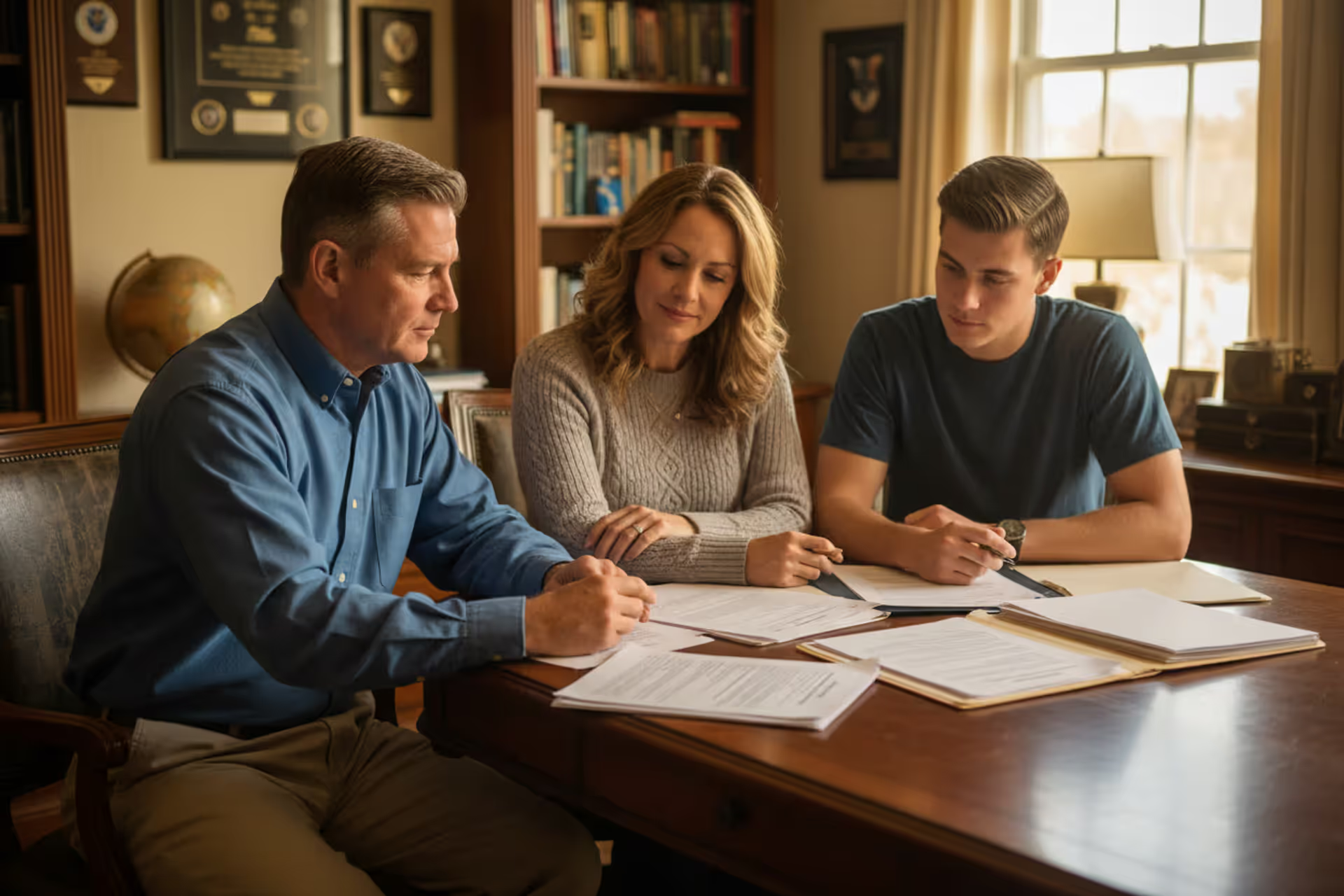
Confident middle-aged woman reviewing legal estate planning documents at a modern office desk with city view through the window
Estate Planning for Women Guide

Most estate planning advice treats everyone the same. But here's the reality: if you're a woman, you're likely to outlive your spouse by five years, earn less throughout your career, take time off to care for family members, and spend your final years managing finances alone. These aren't just statistics—they're factors that should completely reshape how you approach protecting your assets and planning for the future.
What works for your husband, brother, or male colleague probably won't work for you. Your estate plan needs to account for a longer retirement, potential career gaps, the possibility of managing everything solo, and a higher chance you'll need long-term care. Let's look at how to build an estate plan that actually fits your life.
Why Women Need Different Estate Planning Strategies
Women outlive men by an average of five years. That's five more years of living expenses, healthcare costs, and potential long-term care needs your savings must cover. While men might plan for retirement lasting 15-20 years, women should realistically prepare for 25-30 years without earned income.
Here's where it gets trickier. Throughout your career, you've likely earned less than male counterparts—current data shows about 82 cents to each dollar men make. Those "missing" cents add up over decades. By retirement age, women typically have accumulated 30% less in retirement savings than men, yet they need that money to last significantly longer.
Career breaks matter too. Whether you stepped away to raise children, care for aging parents, or both, those gaps reduce lifetime earnings and Social Security benefits. Many women find themselves in the "sandwich generation," simultaneously supporting kids and elderly relatives—a reality that drains both time and financial resources.
Divorce hits women's finances harder than men's. If you divorce after 50, expect your standard of living to drop by roughly 45%. Meanwhile, you're far less likely to remarry than a divorced man, which means you'll be handling all future estate decisions independently.
Then there's widowhood. Most women become widows around age 59, with decades of financial management ahead. You'll probably make major healthcare decisions alone, manage substantial assets without a partner's input, and potentially face nursing home costs that consume everything you've built. Currently, 70% of nursing home residents are women—a sobering statistic that should influence every woman's long-term planning.
Planning conservatively isn't pessimistic—it's realistic. Your estate plan needs bigger emergency reserves, more robust long-term care provisions, and backup plans for backup plans.

Author: Jonathan Whitmore;
Source: harbormall.net
Common Estate Planning Mistakes Women Make
Too many women wait for a crisis before creating estate plans. Others assume their spouse handled everything, then discover after death or divorce that critical documents don't exist or contain outdated information that no longer reflects their wishes or circumstances.
Here's a costly mistake: keeping the same beneficiaries on retirement accounts and life insurance after divorce. These accounts transfer directly to whoever's listed, completely bypassing your will. If you forgot to update that IRA beneficiary designation, your ex-husband gets the money—even if your will leaves everything to your children. This happens far more often than you'd think, costing families millions annually.
Another error? Underestimating how long you'll live. Many women calculate retirement needs based on average life expectancy, but "average" means half of people live longer. Planning to die at 81 leaves you vulnerable if you live to 95. Better to overestimate and leave something to your heirs than run out of money at 88.
Overlooking Asset Protection in Divorce
During divorce negotiations, most people focus on immediate property division without thinking through long-term implications. You might accept a retirement account split without understanding the tax bomb waiting for you. Or you fail to secure life insurance guaranteeing continued alimony or child support payments if your ex-spouse dies unexpectedly.
Prenuptial agreements get dismissed during the honeymoon phase, then become major regrets during divorce proceedings. That inheritance from your grandmother? If you deposited it into a joint account with marital funds, you've potentially converted separate property into marital property subject to division. Keeping inherited assets separate requires discipline and documentation.
Failing to Plan for Incapacity
Creating a will while skipping powers of attorney for finances and healthcare is like locking your front door but leaving all the windows open. Wills only work after you die. They do nothing if you're alive but incapacitated.
This matters especially for women because you're statistically more likely to experience extended disability requiring someone else to handle your affairs. Without proper legal documents in place, your family must petition the court for guardianship—a public, expensive process taking months while your bills pile up and medical decisions wait.
Healthcare directives become even more critical when you're likely to face end-of-life decisions without a spouse advocating for your wishes. Do you want that spelled out clearly, or left to family members guessing under pressure?

Author: Jonathan Whitmore;
Source: harbormall.net
Essential Estate Planning Documents Every Woman Should Have
You need more than just a will. Think of estate planning documents as a toolkit—each tool serves a specific purpose, and you need them all to handle different situations.
Wills direct who gets your stuff after you die, but they don't help if you become incapacitated, they don't avoid probate, and they become public record. Trusts provide more control and privacy but require actually transferring assets into the trust (a step many people skip).
Powers of attorney let someone you trust handle financial matters if you can't. Healthcare directives tell doctors what treatments you want (or don't want) and designate someone to make medical decisions when you're unable to communicate. And those beneficiary designations on retirement accounts? They override everything in your will, which is why keeping them current matters so much.
| Document Type | Purpose | Who Needs It | When It Takes Effect |
| Will | Distributes your property, names guardians for minor children | Every adult over 18 | After your death |
| Revocable Living Trust | Avoids probate court, manages assets if you're incapacitated, keeps matters private | Anyone owning real estate, valuable assets, or wanting privacy | Once you transfer assets into it |
| Durable Power of Attorney | Lets someone manage finances if you can't | Every adult over 18 | Either immediately or when you become incapacitated (you choose) |
| Healthcare Power of Attorney | Names who makes medical decisions for you | Every adult over 18 | When you're unable to make or communicate decisions |
| Living Will/Advance Directive | Details what life-sustaining treatments you want | Every adult over 18 | When you're terminally ill or permanently unconscious |
| HIPAA Authorization | Permits designated people to access your medical records | Every adult over 18 | As soon as you sign it |
Don't skip the HIPAA authorization. Without it, even your designated healthcare agent might face obstacles getting the medical information needed to make informed decisions on your behalf.
Estate Planning Priorities for Single Women
Single women need bulletproof estate planning. No spouse exists as automatic backup for financial or medical decisions, so choosing trustees, executors, and healthcare agents requires serious thought about who combines trustworthiness, financial know-how, and actual availability when needed.
Your sister might be trustworthy but lives 2,000 miles away and barely balances her own checkbook. Your financially savvy friend might lack time to handle estate administration. Consider professional fiduciaries or corporate trustees when family options fall short. Yes, they charge fees, but they provide expertise and continuity that well-meaning relatives often can't match.
Asset protection becomes even more vital without a spouse providing financial backup. Build emergency funds covering six to twelve months of expenses—not three months like standard advice suggests. Disability insurance isn't optional; it's essential since no partner's income can offset lost wages during extended illness or injury.
Healthcare proxy designation deserves special attention. Choose someone who truly understands your values, stays calm under pressure, and will fight for your wishes even when facing opposition from other family members. Include specific guidance about quality-of-life issues, particularly artificial life support and nursing home placement decisions.
Pet planning gets forgotten until it's too late. If you rely on animal companions, designate a caretaker, set aside funds for their care, and write detailed instructions about veterinary preferences and daily routines. Pet trusts legally ensure your animals receive proper care if something happens to you.

Author: Jonathan Whitmore;
Source: harbormall.net
Estate Planning After Losing a Spouse
After losing your spouse, estate planning needs immediate attention despite your grief. Beneficiary designations on every account require updating. Many widows reflexively name adult children without considering whether those children are financially mature enough or understanding the tax consequences of different beneficiary choices.
Review how everything is titled—real estate, vehicles, bank accounts. You'll need to transfer or remove your deceased spouse's name, which involves specific legal processes depending on your state and how assets were owned.
Managing inherited assets requires strategy. With spousal IRAs, you can roll them into your own IRA or maintain them as inherited accounts—each option triggers different required distribution rules and tax implications. Life insurance proceeds shouldn't sit in low-interest accounts, but avoid major financial decisions during your first year of grief when emotions cloud judgment.
Women face unique estate planning challenges that require proactive strategies, particularly around longevity risk and asset protection during life transitions. The biggest mistake I see is waiting until crisis hits rather than planning during stable periods when clear thinking prevail
— Jonathan Whitmore
Remarriage adds complexity. Blending families raises tough questions: How do you protect inheritances for children from your first marriage while also providing for a new spouse? Prenuptial agreements stop being unromantic and start being practical tools for clarifying financial expectations.
Special trust structures can balance competing interests. For example, certain trusts can provide your new spouse with income from assets while ensuring the principal eventually passes to your children rather than your new spouse's heirs from a previous marriage.
How to Build Financial Independence Through Estate Planning
Financial independence starts with maintaining accounts in your own name alongside any joint marital accounts. Keep individual checking and savings accounts, credit cards bearing only your name, and retirement accounts titled solely to you. This creates financial identity independent of your spouse.
Your credit history needs attention too. Being an authorized user on shared credit cards doesn't build your individual credit score. Apply for credit cards in your name, use them regularly, and pay balances in full to establish credit history that survives divorce or widowhood. You'll need strong independent credit to refinance mortgages, get car loans, or handle financial emergencies alone.
Protecting assets you owned before marriage requires vigilance. Keep inherited money and pre-marital assets in separate accounts. Never mix them with marital funds. Document everything showing these assets' separate nature—source, ownership history, complete paper trail. Once you commingle premarital assets with marital property, separating them during divorce becomes difficult and sometimes impossible.
Business ownership demands specialized planning. Women entrepreneurs must maintain separate business entities with proper corporate formalities. Never mix business and personal finances. Create succession plans ensuring your business continues or transfers according to your wishes rather than default state inheritance laws that might force liquidation.
Look into asset protection trusts if your state permits them, especially if you own a business or face professional liability risks. These irrevocable trusts can shield assets from future creditors while still allowing you to benefit from trust income under specific circumstances.

Author: Jonathan Whitmore;
Source: harbormall.net
When to Work with an Estate Planning Attorney
Simple situations—modest assets, no minor children, straightforward wishes—might work fine with quality online document services. But several circumstances absolutely demand professional legal guidance.
Blended families create competing interests requiring sophisticated planning to balance fairness among children from different marriages. Business ownership, owning real estate in multiple states, assets exceeding current federal estate tax exemptions ($13.99 million for individuals in 2026), and beneficiaries with special needs all warrant attorney involvement.
Find attorneys specializing in estate planning, not general practice lawyers who draft wills occasionally. Ask about their experience with situations matching yours—divorce, widowhood, business succession, whatever applies. Request references from past clients. Check your state bar association website for disciplinary actions.
Interview potential attorneys with these questions: How many estate plans do you complete each year? What portion of your practice involves estate planning (versus other legal work)? Do you charge flat fees or bill hourly? What's covered in your quoted fee, and what triggers additional charges? How frequently should I review and update my documents?
Costs vary based on complexity and location. Basic wills might run $500-$1,500. Comprehensive plans including trusts, powers of attorney, and healthcare directives typically cost $2,500-$5,000. Complex estates involving business interests or sophisticated tax planning can exceed $10,000. Consider these fees insurance protecting everything you've built and everyone you love.
Frequently Asked Questions About Women's Estate Planning
Estate planning gives you control over your financial future regardless of marital status or life circumstances. The challenges women face—outliving spouses, earning less throughout careers, taking time off for caregiving, and managing higher healthcare costs—require proactive planning addressing incapacity, asset protection, and long-term care needs.
Start with core documents: wills, powers of attorney, healthcare directives, and beneficiary designations. Review and update everything after major life changes—marriage, divorce, childbirth, or a spouse's death. Single women should prioritize naming trusted decision-makers and building financial independence through separate accounts and strong credit history.
Widows need immediate attention to beneficiary updates, asset management, and remarriage planning that protects children's inheritances. Complex situations involving businesses, substantial assets, or blended families warrant professional legal guidance to navigate tax implications and competing family interests.
Planning costs less than the expenses, stress, and family conflict resulting from dying or becoming incapacitated without proper documents. Take action now while you're healthy and thinking clearly. Your future self will thank you. So will everyone you love.
Related Stories

Read more

Read more



The content on this website is provided for general informational and educational purposes only. It is intended to explain concepts related to estate planning, wills, trusts, tax strategies, and financial legacy planning.
All information on this website, including articles, guides, worksheets, and planning examples, is presented for general educational purposes. Estate planning situations may vary depending on personal circumstances, financial structures, legal regulations, and jurisdiction.
This website does not provide legal, financial, or tax advice, and the information presented should not be used as a substitute for consultation with qualified legal, tax, or financial professionals.
The website and its authors are not responsible for any errors or omissions, or for any outcomes resulting from decisions made based on the information provided on this website.